Bare ICTA conduits: overview and advantages
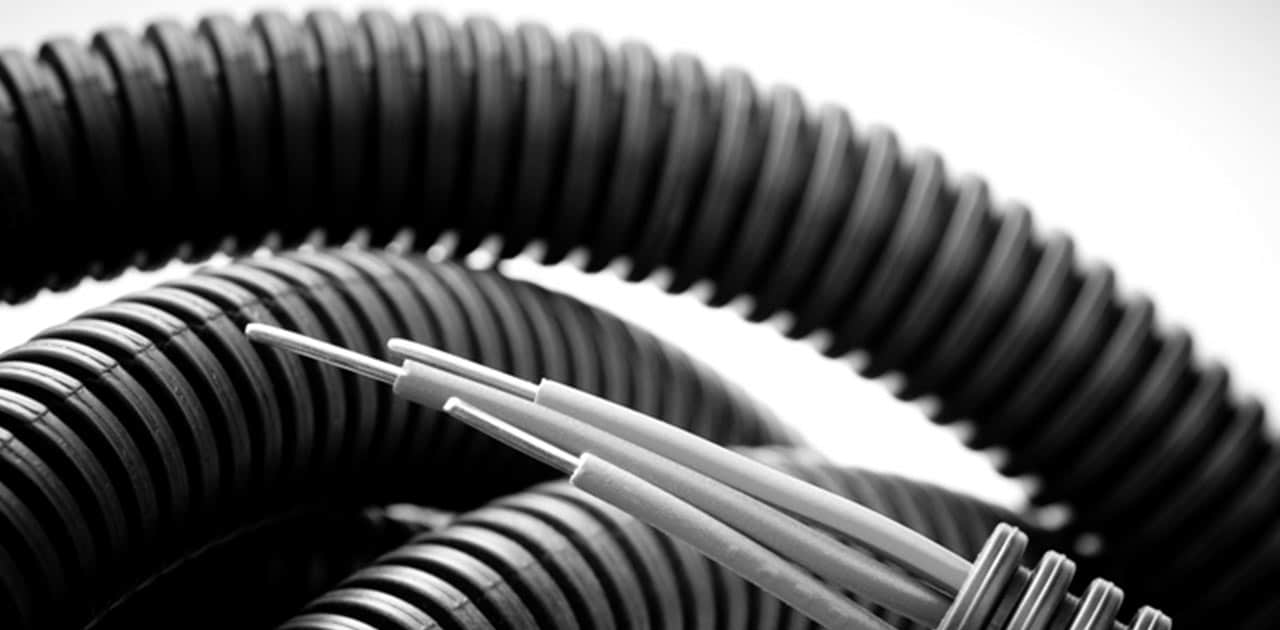
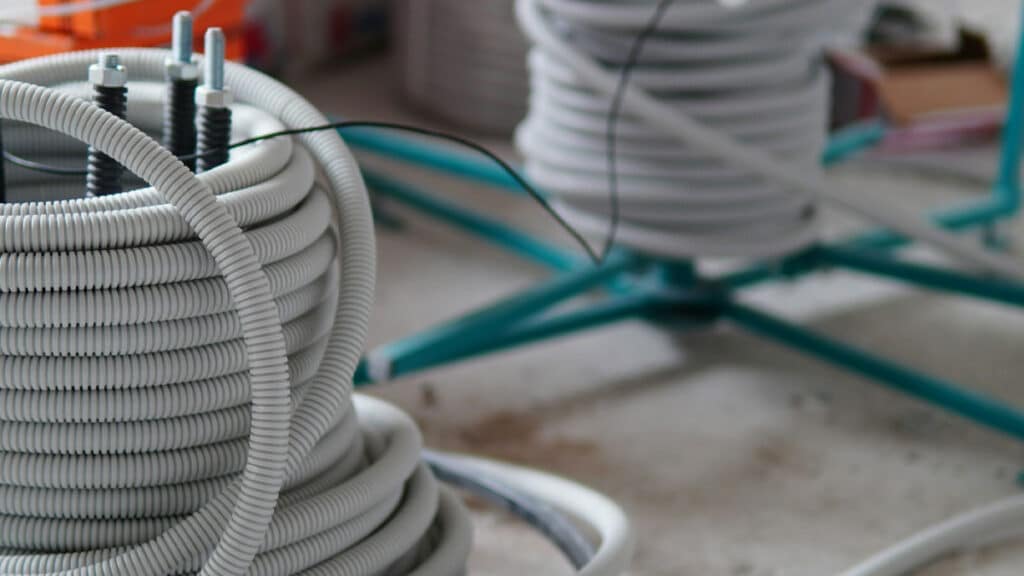
A bare ICTA conduit (made of polyethylene or PVC) is supplied empty, without internal conductors. For an industrial organisation or an installer, this solution has specific characteristics:
- Lower material cost: Buying empty conduit represents a lower consumable cost than buying pre-wired conduit, which limits the financial impact for high volumes.
- Configuration flexibility: It offers complete freedom over the choice, cross-section and number of conductors to be inserted (power circuits, low-current circuits, shielded cables), without depending on manufacturers’ standard configurations.
- Stock optimisation: Storing coils of empty conduit and separate wire spools makes it possible to rationalise workshop references rather than multiplying the variants of pre-wired conduit.
When should you choose bare ICTA conduit?
Bare conduit is suitable for projects requiring specific or non-standard wiring configurations. However, using it involves a wire-pulling stage. If this operation is carried out manually, labour time increases the final production cost compared with an automated workshop approach using pre-wiring machines or suitable industrialisation packs.
Can all types of cables be run through pre-wired conduit?
Commercially available pre-wired conduits are generally limited to standard H07V-U wires (1.5 mm² or 2.5 mm²) for standard circuits. As soon as a project requires specific configurations — such as network cables (Grade 3, Cat 6), shielded cables or low-current connections — using bare conduit or a made-to-measure workshop pre-wiring system becomes essential in order to adapt conductor cross-sections and types.
Pre-wired ICTA conduits: overview and advantages
Pre-wired ICTA conduit incorporates the electrical conductors (wires or cables) directly during factory manufacturing. This solution is designed to simplify installation operations.
- Reduced installation time: As the wire-pulling stage is eliminated, installation on site is faster, reducing labour hours on site.
- Compliance and safety: Wires inserted in the factory strictly comply with filling standards and avoid the risks of blockage or insulation damage associated with difficult manual pulling.
- Easier identification: The integrated conductors follow standard market colour codes, making connections safer and faster.
When should you choose pre-wired ICTA conduit?
Pre-wired conduit performs well on projects with standard configurations (standard socket or lighting circuits) where speed of installation on site is the priority. However, its purchase cost per metre is significantly higher than that of bare conduit. For industrial volumes, this additional material cost can quickly exceed the time saving achieved on site, unless production equipment is integrated to manufacture your own pre-wired conduits.
How can labour time for cable pulling be optimised?
On site, using ready-to-install conduits saves around 30% of time. For a wiring workshop or an electrical wiring harness manufacturer, the issue shifts: optimisation involves using industrialisation packs and motorised cutting equipment. The aim is to eliminate manual effort and make lengths reliable in order to remove downtime caused by adjustments on site.
Do you have a project? Contact us
Comparison between bare and pre-wired ICTA conduits
To optimise the profitability of your projects or production equipment, here is a summary of the key differences between these two solutions:
- Overall production cost: Bare conduit has a low purchase cost but a high labour cost (wire pulling). Conversely, pre-wired conduit increases material costs but reduces installation time on site.
- Technical flexibility: Bare conduits allow made-to-measure circuits to be assembled (specific cross-sections, mix of power/low-current circuits). Commercially available pre-wired conduits limit choices to manufacturers’ standards.
- Logistics management: Using bare conduits requires several components to be stocked (empty conduits, coils of wire). Pre-wired conduits simplify immediate supply but multiply the references of complete coils that need to be stocked.
The industrial choice: bringing pre-wiring in-house
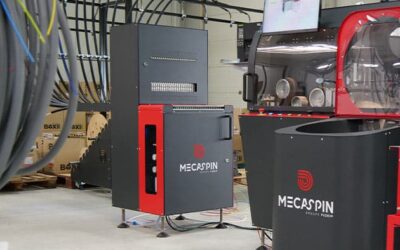
The dilemma between the material cost of bare conduit and the time saving of pre-wired conduit can be solved through automation. By integrating an industrial pre-wiring machine into your workshop, you buy your consumables at the “bare” price while producing your own made-to-measure pre-wired conduits. This combines the financial advantage of bare conduit with the installation speed of pre-wired conduit.
What is the most profitable solution for an electrical wiring harness manufacturer?
Buying standard pre-wired conduit directly reduces margins because of wholesalers’ prices, while inserting wires by hand destroys workshop productivity. The solution adopted by high-performing organisations is to bring assembly in-house. By integrating an automatic pre-wiring machine, you buy your consumables at the “bare” price while producing your own made-to-measure pre-wired conduits, thereby combining the lowest material cost with maximum installation speed.
Conclusion: Which choice will optimise your profitability?
The choice between bare and pre-wired ICTA conduit is not simply a comparison of price per linear metre. For electrical professionals, it is an overall trade-off between supply costs and labour time.
Although pre-wired conduit remains a practical fallback solution for urgent or highly standardised projects, bare conduit retains the advantage of technical flexibility and minimum material cost. To remove the constraint of pulling wires manually, integrating workshop production equipment remains the most efficient answer for combining profitability and volume.