Key points about electrical conduits: safety and installation
In the world of electricity, ensuring safety is an absolute priority. The importance of electrical conduits in maintaining this safety is undeniable. These devices, which are crucial to any electrical installation, play a fundamental role by enclosing and protecting electrical wires, thereby reducing the risk of accidents. Whether you are a professional or an amateur, understanding their role and knowing how to install them correctly is essential.
What is the function of electrical conduits?
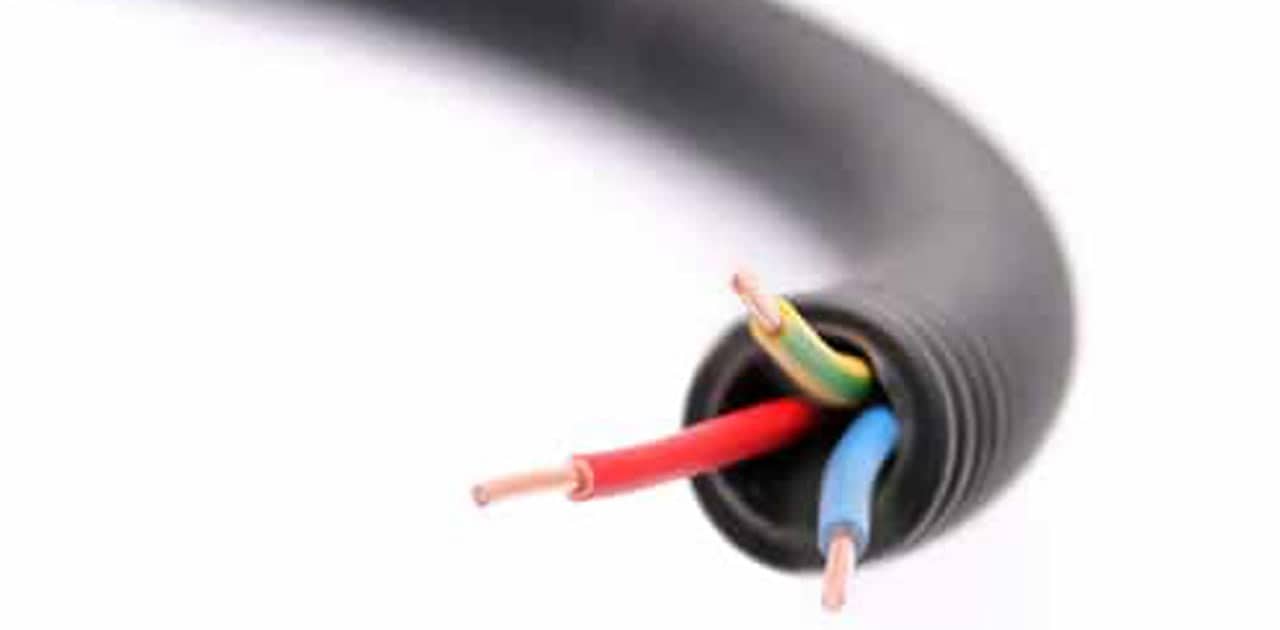
Electrical conduits, made mainly from durable PVC, are designed to protect and organise electrical cables. They provide protection against harmful external influences such as moisture or impacts, while simplifying wire identification and installation through a practical colour code.
Variety and choice of electrical conduits
ICTA conduit (Insulating Cable Tube Ring)
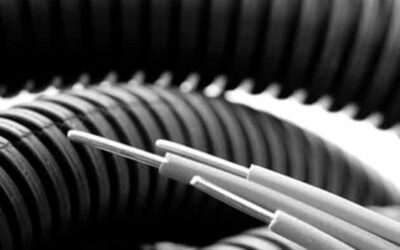
ICTA conduit, frequently used in residential installations, is distinguished by its flexibility thanks to its corrugated structure. It adapts easily to the various requirements of domestic installations, providing reliable protection while remaining easy to handle.
ICTL conduit (Insulating Cable Smooth Tube)
ICTL conduit, which is more rigid, is intended for industrial environments where robustness is essential. Its smooth structure is designed to withstand more demanding conditions, protecting cables in complex industrial environments.
ICT-DB conduit (Double Edge)
Specifically designed for buried or concealed installations, ICT-DB conduit offers increased resistance to compression and chemical attack, providing optimum protection in the most difficult conditions.
TPC conduit (Protective Conduit Tube)
TPC conduits, designed to withstand outdoor environments and chemical agents, are ideal for cables exposed to severe conditions. Their robustness provides lasting protection against mechanical and chemical stresses.
The importance of electrical conduits for installation safety and efficiency
Using cable routing systems offers significant benefits for any electrical installation. These advantages relate to safety, durability and ease of installation.
Increased safety
Electrical conduits play an essential role in preventing electricity-related accidents. By insulating cables, they considerably reduce the risk of electric shock, fire and short circuits. This protection prevents accidental contact with live wires, thereby contributing to a safer environment.
Durability and reliability
Made mainly from PVC, a material known for its strength and longevity, electrical conduits ensure the durability of your installations. They protect cables against external aggressions such as moisture or physical impacts, thereby preserving the quality and integrity of installations over the long term.
Easy installation for professionals
Using insulating sleeves greatly simplifies electricians’ work thanks to several technical advantages:
- Quick installation: conduits allow electrical cables to be installed quickly and easily.
- Easier routing: they help organise cable routing through a building’s structures, whether through walls, ceilings or floors.
- Simplified identification: the colour coding of conduits makes it easier to identify the different circuits (blue for phase, green-yellow for earth, etc.), optimising identification and maintenance.
- Circuit management: conduits contribute to effective management of the various electrical circuits, ensuring clear and structured power distribution throughout the building.
Integrating electrical conduits into your installations is not simply a matter of complying with safety standards; it is a sensible choice for improving the safety, durability and efficiency of your electrical systems. By choosing to use conduits, you are choosing a solution that combines protection and practicality, essential for professionals and beneficial to the longevity of any electrical installation.
Complete guide to installing electrical conduits
Installing electrical conduits is a crucial stage in ensuring the safety and compliance of your electrical work. Follow this detailed guide for successful installation in accordance with the standards.
1. Selecting electrical conduits
The first step is to choose the type of conduit suited to your project. Take into account the technical specifics of your installation, such as the environment and the nature of the cables to be protected. Make sure the selected conduits comply with the electrical standards in force, particularly the NF C15-100 standard in France.
2. Preparing the supports
Before installing the conduits, carefully prepare the supports (walls, ceilings, floors). Mark the position of the conduits and make the necessary channels to accommodate them. This preparation is essential for an orderly and safe installation.
3. Installing the conduits
Install the conduits according to a precise plan of your electrical installation. Observe the required distances between each conduit to avoid any interference. Correct installation ensures optimum protection and organisation of the electrical cables.
4. Inserting the electrical wires
Insert the electrical wires into the conduits, taking care not to exceed the maximum filling capacity. This stage must be carried out carefully to prevent any risk associated with overloading or damaging the cables.
5. Closing and securing the conduits
Once the cables are in place, close the conduits with specific end caps to protect the ends. Then secure the conduits to their supports using cable ties, clips or other suitable devices, thereby ensuring their stability and safety.
6. Electrical connections
Make the electrical connections following best practice and complying with the standards in force. This final stage must be carried out precisely to guarantee the functionality and safety of the installation.
Expert advice
Although installing insulating trunking may seem accessible, it is strongly recommended that this task be entrusted to a qualified professional. An expert will not only know how to comply with the standards but also anticipate the specific requirements of your installation for optimum safety and efficiency.
By following these steps and using a qualified professional, you ensure the longevity and compliance of your electrical installation. Investing in a correct installation that complies with the standards will save you future problems and ensure the safety of your environment.
The essence of using electrical conduits
Electrical conduits are essential components for the safety and integrity of electrical systems. Their role goes beyond simple protection; they are a foundation for installation durability and reliability.
Enhanced protection and safety
Electrical conduits provide a robust barrier against external threats such as physical impacts or water ingress, thereby preserving the integrity of electrical wires. This protection is essential for preventing incidents such as short circuits, overheating or fires that could occur without adequate insulation.
Installation assistance
In addition to protecting cables, conduits greatly simplify electricians’ tasks. They make it easier to organise wires during installation, enable effective identification through colour codes, and make future maintenance easier. This ease of installation and management translates into savings in time and effort, thereby optimising the work process on site.
Choice and compliance
Choosing the appropriate conduit is crucial and must be done carefully. The specific features of each project should be considered – the installation environment, the type of wiring and the specific site requirements. Complying with the standards in force, such as the NF C15-100 standard in France, is not simply a matter of legal compliance; it is a commitment to safety and quality. The installation must therefore be designed and carried out in accordance with these guidelines to guarantee the efficiency and safety of the electrical installation.
Neglecting the use of electrical conduits means taking the risk of compromising the safety and functionality of your installations. Their use is standard practice in the industry for a fundamental reason: they are the foundation on which electrical safety rests. Investing in quality conduits and ensuring that they are installed in accordance with standards is a sensible choice, ensuring the durability and reliability of your electrical installations.