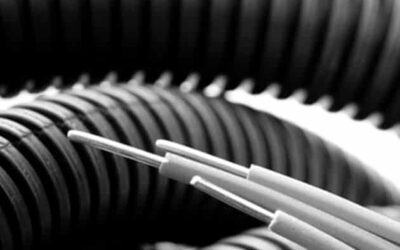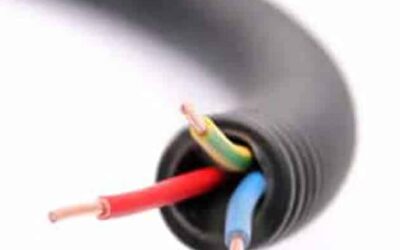
Draw wire included in ICTA conduit

When ICTA conduits are purchased, they are already fitted with a small metal wire that can be used to pull electrical wires and cables. Although practical, this small wire tends to break frequently. It may be sufficient for small projects, but it is preferable to have an electrician’s fish tape available just in case, as it is much more robust.
Manual electrician’s fish tape

An electrician’s fish tape is ideal for pulling wires and cables through electrical conduit on small and medium-sized projects. It is available in different materials, each with its own advantages:
- Nylon wire-pulling fish tape: this is the most common and least expensive model in the range. It is durable and suitable for small projects and occasional use.
- Polyester wire-pulling fish tape: both flexible and rigid, a polyester fish tape is suitable for medium-sized projects. Its rigidity gives it greater pushing force than nylon, while its smoother material enables better movement through conduits with reduced friction. This robust material limits the risk of breakage in difficult conduits.
- Fibreglass wire-pulling fish tape: extremely flexible and rigid, but also fragile, it is suitable for very winding conduit routes. It is ideal for large projects with frequent use and long lengths of wire to pull.
- Steel + nylon wire-pulling fish tape: this is the stiffest fish tape, allowing wires to be pulled and pushed confidently in restricted and
winding areas. Extremely durable over time, it is the solution best suited to major work (industry, commercial buildings, retail).
An electrician’s fish tape consists of the tape itself, which can vary in diameter and length, as well as a guide head with various end fittings, pulling rings and connecting sleeves.
Electrician’s fish tapes are available in diameters ranging from 3 to 6 mm. In terms of length, they can be found from 5 to 25 m for the cable alone, 20 to 30 m for a reel version and up to 300 m for a version with a dispenser. Prices can range from €10 to €150, and up to €1,000 or more for professional versions.
Electrical cable pulling lubricant
Lubricant is used to make it easier to route cables through electrical conduit. Since the golden rule is never to force the cable, lubricant is ideal regardless of the pulling method you choose. It can eliminate up to 90% of friction when pulling electrical wire through conduit and makes difficult sections easier to negotiate (crushed sections, bends, etc.). Usually water-based, the lubricant is compatible with all insulation materials and electrical conduit plastics, whether rigid, flexible or corrugated, and does not damage electrical wires. Lubricant prices can range from €5 to €20 depending on the brand and quantity.
Wire-pulling rods
Wire-pulling rods are generally 1 m long and sold in kits of 5, 10 or 15 pieces. The advantage of the rods is that they screw together to obtain the required length
required. Very practical in confined spaces, they are suitable for routing cables through suspended ceilings, lofts and technical ceilings. Like wire-pulling fish tapes, they have guide heads and fittings for connecting them together.

Electric wire-pulling robot
A more recent solution on the market, some companies have begun developing electric cable-pulling robots. They provide electric winding and unwinding, which is much more comfortable and faster than a manual fish tape. Intended particularly for professional use, an electric wire-pulling robot makes it easier to route cables through electrical conduit in all circumstances, even with just one person on site.
Automatic pre-wiring machine
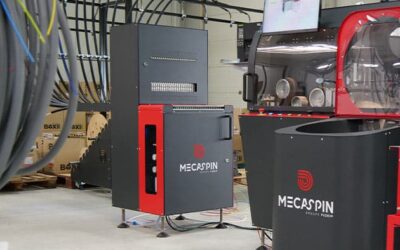
Automatic pre-wiring machines are intended for professional use and are aimed mainly at electrical wiring harness manufacturers, electricians and electrical wiring professionals. They can provide output up to five times faster than manual wire insertion. Compatible with CAD software for electricians, they can produce pre-wired lengths of up to 30 m at a speed of 3 m per second. Industrial pre-wiring machines can sort the different types of cables, wires and electrical conduits inserted into the machine according to their diameter, length and colour, optimising wire and conduit changeover times. Pre-wiring machines can also manage electrical conduit labelling. To find out more about automatic pre-wiring machines, you can consult the MECASPIN pre-wiring machine technical data sheets.